By the 1960s , far-flung pesticide use had nearly wiped out bed hemipteron populations . In the preceding two decades , however , the ancestry - fool have staged a nasty revitalisation . Now , scientist have uncovered inherited factor that are helping to explain this unwelcome resurgence .
A team of researchers led by Hidemasa Bono of Hiroshima University has sequenced the most complete insecticide - resistant bed bug genome to date and liken it to the genome of an insect powder - susceptible ( non - insubordinate ) layer bug . Their findings , detailed in astudypublished in the journalInsectsin September , provide an unprecedented flavour into the genetic mutation driving insecticide resistance in bed bugs , which could help shape future plague control scheme .
seam bug can be a royal pain in the seat . Even though they ’re not known to transmit disease to humans , bottom bug bit can do itching , red of eternal sleep , anxiety , and , at times , allergic reaction , allot to theCenters for Disease Control and Prevention(CDC ) . Additionally , disproportional itching could lead to secondary skin infections .
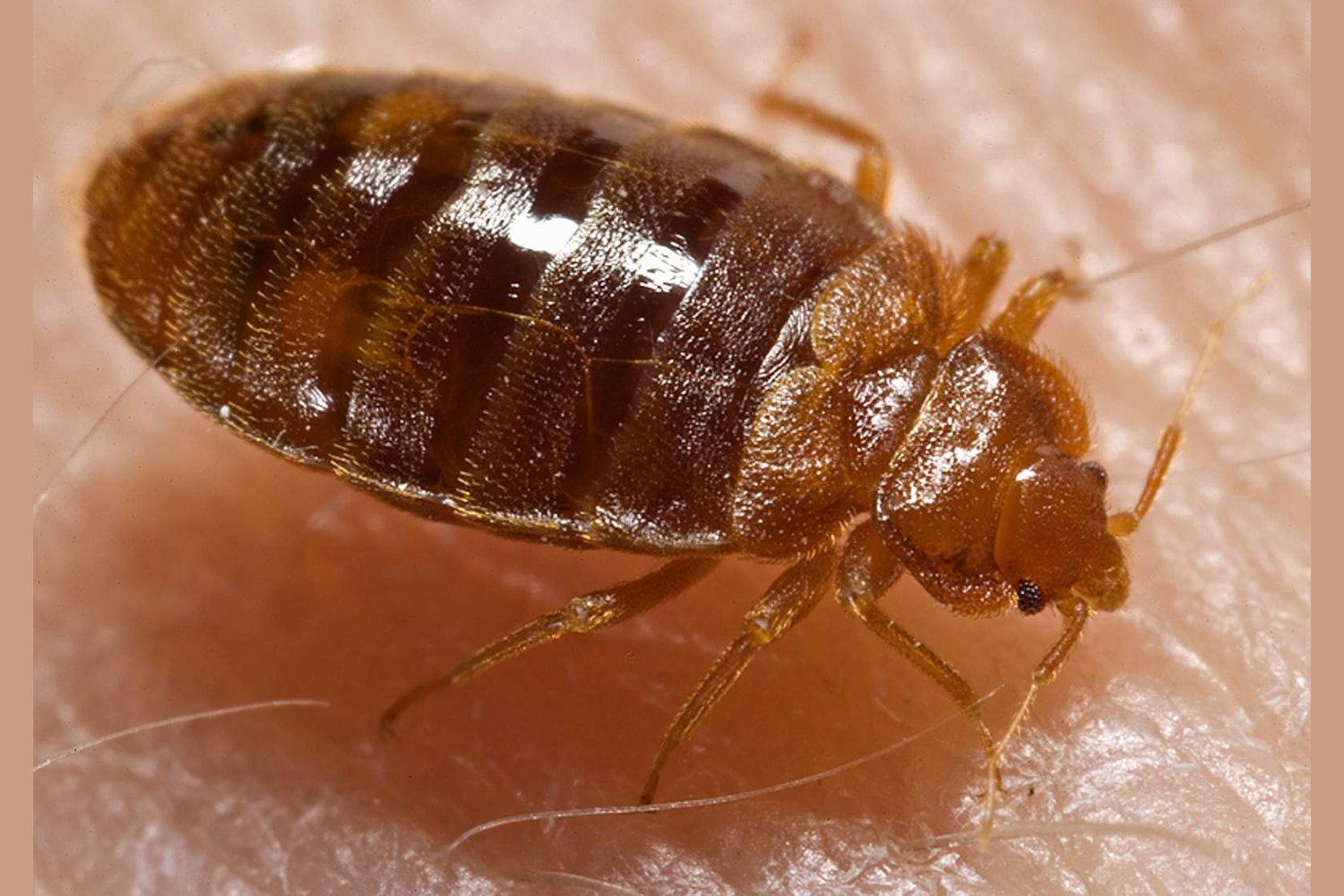
A bed bug.© Centers for Disease Control and Prevention
“ We identify a orotund number of genes likely demand in insecticide resistor , many of which have not been antecedently reported as being associate with resistance in bedbugs , ” Kouhei Toga of Hiroshima University , who was the first author of the bailiwick , say in a universitystatement .
The researchers in Japan took the non - repellent genomes from descendants of wild seam bug captured over six decades ago in Nagasaki , and the resistant genome from descendants of seam bug found in a hotel in Hiroshima in 2010 . Using a “ breakthrough ” method called long - translate sequencing that earmark them to sequence longer DNA section than traditional technique , such as leave fewer gaps , the team later on map both genomes “ near - crack - free ” and “ near - error - free , ” they wrote in thestatement .
They then compare the two genomes and identify hundreds of variation tie in to insecticide resistance in the resistant strain . moreover , they found the hotel seam bug genome to be 19,859 times more resistant to pyrethroids , a unwashed man-made pesticide , than the non - tolerant genome , according to the study .

“ We determined the genome sequence of insecticide - resistive bed bugs , which exhibited 20,000 - fold dandy resistance compare to susceptible bed germ , ” said Toga . “ By comparing the amino acid sequences between the susceptible and resistant bed bugs , we identified 729 transcripts with resistor - specific mutations , ” he added , “ transcripts ” being RNA molecules that translate DNA instruction into proteins . The researchers ’ results reassert ohmic resistance mutations see by previous subject field , as well as discovering new ones .
“ These transcripts included factor related to DNA damage response , cell cycle regulation , insulin metabolism , and lysosome function . This suggests that these molecular pathways may play a role in the ontogeny of pyrethroid resistivity in bottom bugs , ” Toga explained . A lysosome is an organelle found in many fauna cadre that hold digestive enzymes .
By key these variation , the study ultimately provides Modern transmissible imagination to monitor , realise , and address insecticide resistivity in wild population as well as those already in our beds . We sure do n’t desire a repetition of theParis 2023 seam bug panic attack .

bed bugsdnaGeneticsPesticides
Daily Newsletter
Get the good tech , science , and culture tidings in your inbox daily .
News from the future , deport to your present .
You May Also Like


